Know before you go
The practical basics for planning a trip to Bhutan - season, packing, money, and etiquette, in one place.
Every season offers a different way to experience Bhutan
From spring blossoms and summer greenery to clear autumn skies and peaceful winter landscapes, Bhutan has something special to offer throughout the year. As you travel from valleys to higher elevations, the weather can change with the landscape too.
- Mar - May
Spring
The most popular window - rhododendrons bloom, skies are clear, and several major tshechu festivals fall in this stretch.
- Jun - Aug
Summer
Monsoon rains bring lush, green valleys and fewer travellers, but obscured mountain views and muddier trekking trails.
- Sep - Nov
Autumn
The clearest skies of the year and peak trekking conditions - the busiest season alongside spring, so book early.
- Dec - Feb
Winter
Cold but crisp, with the best long-range Himalayan views in the west and the quietest dzongs and trails of the year.
Your journey to Bhutan begins here
Arrive by air through Paro's spectacular mountain gateway or travel overland from India.
- By Air
- Paro International Airport is Bhutan’s only international airport, with flights operated by Drukair and Bhutan Airlines from regional hubs including Delhi, Kathmandu, Bangkok and Singapore. The spectacular approach through the Himalayan mountains is an experience in itself. As flight schedules are limited, we recommend arranging your Bhutan flight before booking your onward international journey.
- By land
- Make your way into Bhutan by road through the country’s southern border gateways. Phuentsholing is the most popular entry point, making overland travel a great choice for those already exploring India and looking to continue their journey into the Himalayas.
- Getting around Bhutan
- Travel through Bhutan at a comfortable pace with a private vehicle and experienced local driver included in your journey. With winding mountain roads and scenic landscapes, travel times are best measured in hours rather than kilometres. Domestic flights also connect Paro with Bumthang and eastern Bhutan, offering an alternative way to reach more remote regions.Getting Around Bhutan.
What to bring
Bhutan's climate swings with altitude and season - layers do more work than any single piece of gear.
Wear & layer
- Comfortable layers
- Warm jacket/fleece (for mornings and evenings)
- Comfortable walking shoes
- Modest clothing (covering shoulders and knees)for dzongs and monasteries
- Hat and sunglasses
Bring along
- Sunscreen (strong UV at altitude)
- Reusable water bottle
- Small daypack
- Universal travel adapter
- Personal medication
- Portable power bank
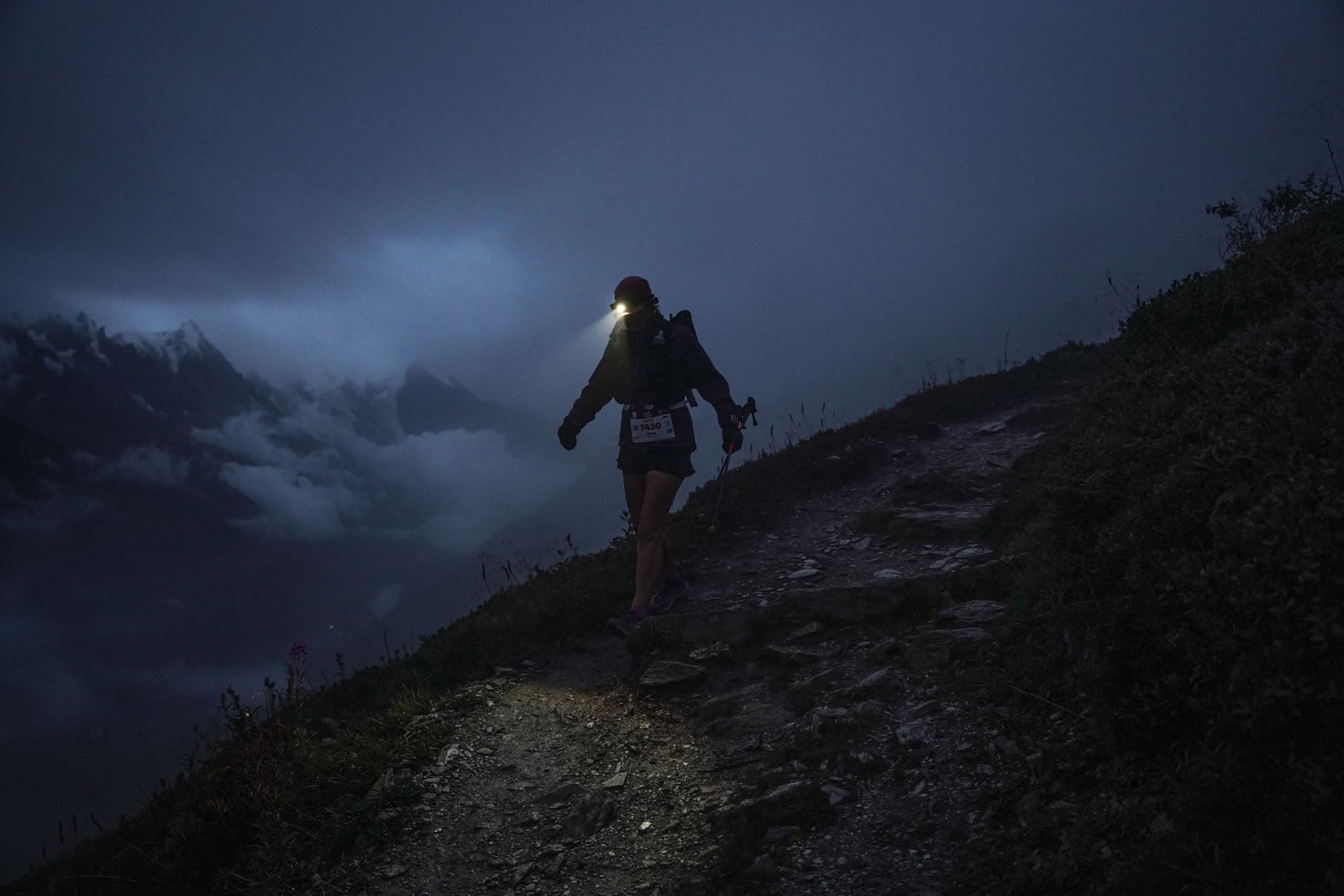
Trekking gear
- Waterproof jacket
- Trekking shoes
- Warm layers
- Gloves and hat
- Headlamp
- Any trekking essentials
Travel Well, Enjoy Every Moment
From peaceful valleys to high mountain trails, Bhutan's landscapes vary in altitude and climate. Most cultural journeys can be enjoyed at a relaxed pace, while trekking routes are carefully planned to give you time to adjust, rest and enjoy the experience.
- Altitude & Acclimatisation
- As you travel higher, your body may need time to adjust. Our itineraries are thoughtfully paced, with appropriate acclimatisation built into higher-altitude treks so you can explore comfortably and confidently.
- Travel
- A little preparation goes a long way. If you’re trekking or travelling through Bhutan’s warmer southern regions, consider speaking with your doctor or a travel-health professional before your trip. Bring any regular medication you need and enough to cover your journey.
- Water and food
- Stay refreshed with boiled or filtered drinking water, available throughout your journey. We encourage you to carry a reusable bottle. Bhutanese food is known for its bold flavours and generous use of chillies, but meals can be prepared milder to suit your preference.
- Travel Insurance
- We recommend comprehensive travel insurance that includes medical care and emergency evacuation. If you’re trekking, make sure your policy covers the altitude and activities included in your journey.
Cash, cards, and staying online
Currency
The ngultrum (BTN) is pegged 1:1 to the Indian rupee, and INR is widely accepted alongside it. USD is used for the SDF and larger prepaid costs.
Cards & cash
ATMs and card payments are common in Thimphu and Paro but scarce elsewhere - carry enough ngultrum or INR cash for rural stops and small vendors.
SIM cards & wifi
Tourist SIMs (Tashi Cell, B-Mobile) are sold at Paro airport with decent 4G in towns; expect patchy signal on trek. Most hotels offer wifi.
Local customs
None of this is enforced on visitors - your guide will steer you either way. Knowing it in advance just means you spend the trip watching rather than checking.
- Dress modestly, and remove shoes and hats before entering shrine rooms.
- Walk clockwise around chortens, stupas, and prayer wheels.
- Ask before photographing people, and check with your guide before photographing inside temples.
- Smoking is banned in all public spaces; Bhutan is one of the only tobacco-free countries in the world.
- Tipping guides and drivers is customary and appreciated, though not obligatory.
Frequently asked
Spring (March-May) and autumn (September-November) bring the clearest mountain views and most festivals. Summer is lush and green but wetter; winter is cold and quiet, with the clearest skies of all in the west.
Layers - mornings and evenings are cool even in summer, and passes can be cold year-round. Sturdy walking shoes, a warm midlayer, sun protection, and modest clothing for dzong and monastery visits (covered shoulders and knees) cover most of the trip.
Local SIMs are cheap and easy to buy on arrival at Paro airport, with decent 4G coverage in towns and patchier signal on trek. ATMs are common in Thimphu and Paro but scarce elsewhere, so carry ngultrum or USD cash for rural stops.
Dress modestly, remove your shoes and hat before entering shrine rooms, and always walk clockwise around chortens and prayer wheels. Photography is usually fine outdoors but often restricted inside temples - your guide will flag where.
Your Bhutan, Your way
Tell us what draws you to the Himalayas and we'll build an itinerary around it - no templates, no pressure.
Request a custom itinerary